High ground, fast-moving Atlantic systems and strong seasonal light shifts make seabird movement, insect emergence and soil heat especially informative here.
Tell us what you can see, hear or feel in nature today.
Small details can help us see the weather coming.
⌖Scotland NorthGarden · 31 Oct · 16:15Change
Speak or type your observation
0 / 1000
143 nature observations shared in Scotland North
◉◉Prefer the detailed form?Record each nature signal yourself⌄
Birds
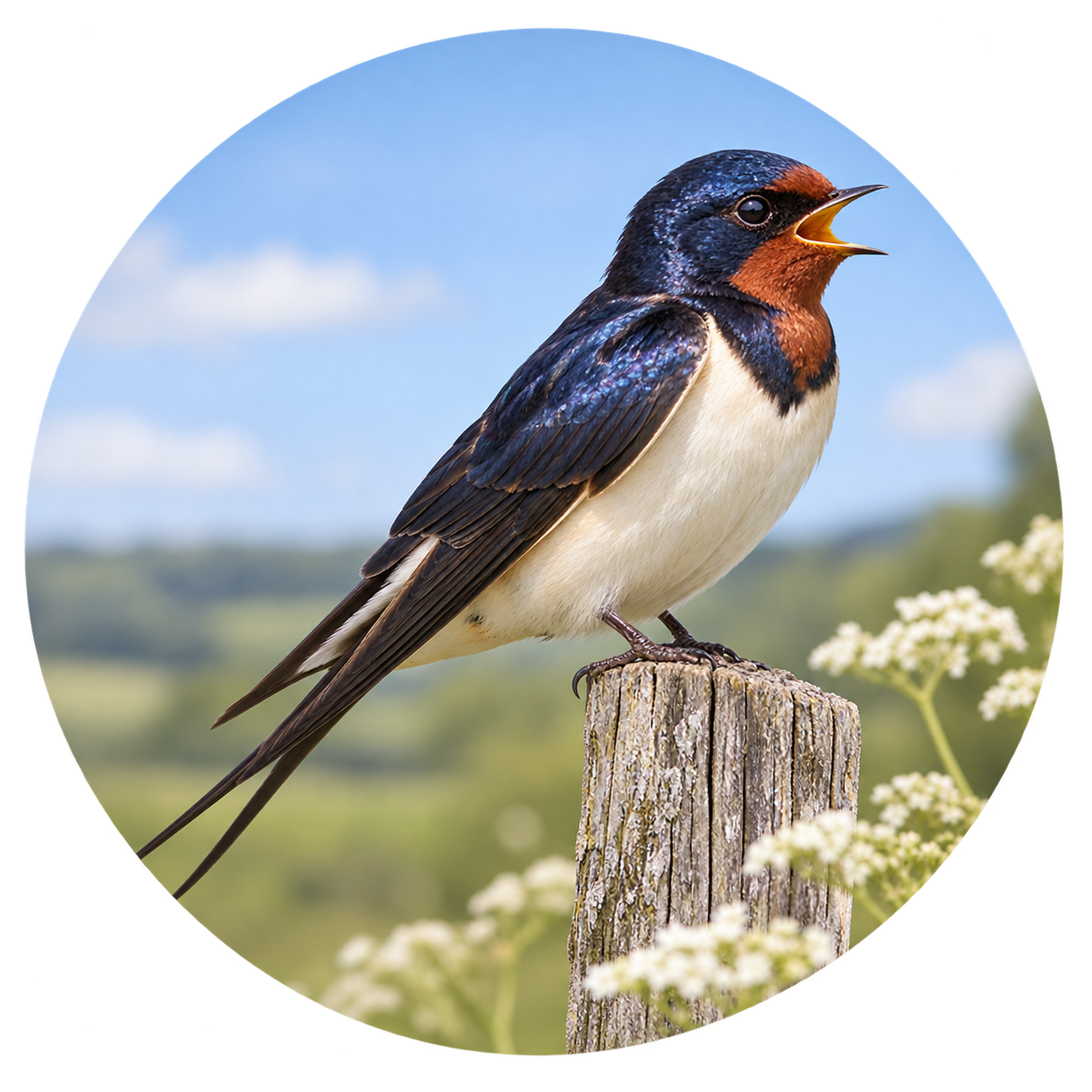
Swallow / martin feeding heightLower feeding may reflect insect movement and air conditions.
Bird feeding intensityCompared with what you normally see at this location.
Gulls / seabirds moving inlandUnusual inland movement rather than normal local activity.
Migratory bird timingEarlier or later than expected for the species and season.
Insects
Bee activityForaging activity compared with normal.
Flying insect heightMidges and small insects close to the ground or higher up.
Spider web activityNew web construction compared with normal.
Seasonal insect timingButterflies or other insects emerging early or late.
Plants
Pine cone stateClosed cones can reflect increasing humidity.
Flower closureDaisies, clover or similar plants closing unusually.
Bud burst / first leaf timingCompared with usual local timing.
Flowering / fruiting timingFirst flower, fruit or berry timing.
Soil & fungi
Soil moistureObserved at a consistent location if possible.
Soil temperatureBest recorded at roughly the same depth each time.
Earthworm activitySurface activity can respond quickly to moisture conditions.
Mushroom / fungal activityEmergence or abundance compared with seasonal norm.
Clouds
Cloud type observedThe main cloud forms you can see right now.
Cloud base heightHow low the cloud base appears over familiar landmarks or hills.
Cloud movement / thickeningWhether cloud is thickening, thinning or moving in unusually fast.
Halo / sky phenomenaRing around the sun or moon, mares' tails, red sky and similar signs.
Coast & marine
Seabird behaviourUnusual congregation, direction or inland movement.
Seaweed / shoreline changeUnusual accumulation, exposure or condition at a familiar site.
Sea stateOptional observational input rather than a formal marine measurement.
Marine-life timingJellyfish, fish, plankton or other seasonal arrivals.
What to look for in Scotland North
Observation checklist.
These are the standardised NatureCast signals for this region. Record what you actually see — an honest "nothing unusual" is just as valuable to the model as a dramatic change.
Cloud form, halo phenomena, wind shifts and other traditional sky signs.
Forecasting note: NatureCast predictions depend on the quality and quantity of observations and other data available at the time. As with any weather prediction, conditions can change and forecasts cannot be guaranteed to be accurate. The outlook should be treated as guidance, not certainty.
 ← Back to app
 NatureCast